


10 movies that were supposed to launch franchises — and didn’t
10 movies that were supposed to launch franchises — and didn’t

Louis PeitzmanFri, October 2, 2026 at 2:17 PM UTC
2
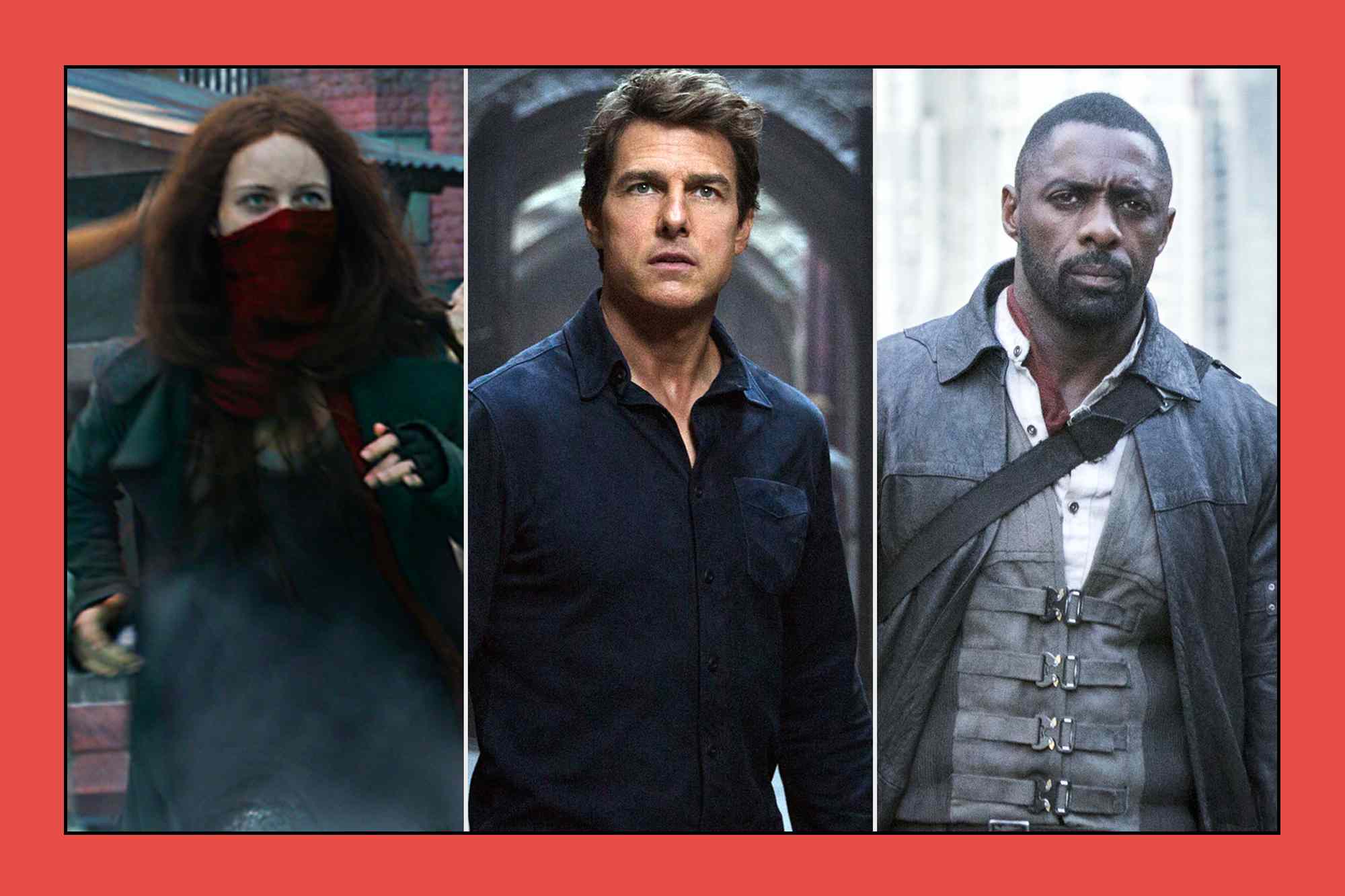
‘Mortal Engines’; ‘The Mummy’; ‘The Dark Tower’Credit: Universal(2); Sony
We live in a world where the franchise reigns supreme. The Marvel movies popularized the concept of a shared cinematic universe on an unprecedented scale and subsequently dominated the box office with endless sequels and spinoffs. In their wake, studios have become increasingly reliant on IP expansion. Even long-dormant properties like Practical Magic (1998) and The Devil Wears Prada (2006) have gotten decades-later follow-ups in 2026.
This isn’t good news for everyone, of course. For one thing, many moviegoers are eager for a more original moviegoing experience, and original non-franchise stories have become fewer and farther between. For another, not every new cinematic universe is destined for greatness. Consider that for every Hunger Games, there’s a handful of forgettable one-and-done films that left audiences frustrated and studios picking up the pieces.
Most of these failure-to-launch franchises now exist solely as punchlines. But as much as producers would love for us to forget such expensive missteps, these films offer a fascinating look into how hard it is to recreate the magic of a long-running institution.
Here, we’ve collected some of the most notable examples of series starters that never went anywhere, breaking down studios’ overly optimistic plans and where it all went wrong. Read on for 10 movies that were supposed to launch franchises — but didn’t.
01 of 10
Beautiful Creatures (2013)
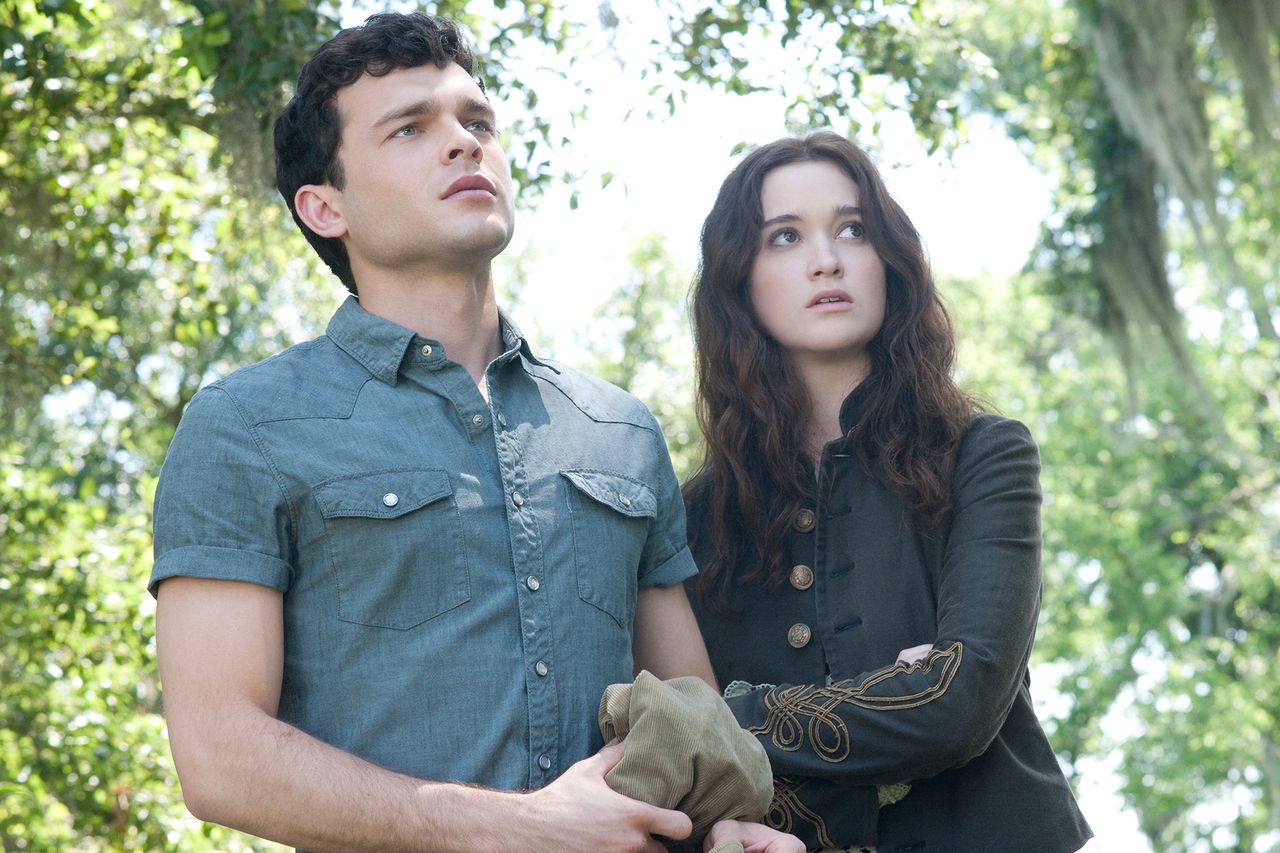
Alden Ehrenreich and Alice Englert in ‘Beautiful Creatures’Credit: Warner Bros. S
“The next Twilight?” EW asked in a 2012 first look at Beautiful Creatures. That was the intention, at least. The Richard LaGravenese film, a star-crossed supernatural romance, was also based on a book that spawned a series. Alcon Entertainment had purchased the film rights to the first three YA novels and was clearly envisioning more movies at Warner Bros.
To its credit, Beautiful Creatures had a strong cast, led by up-and-comer Alden Ehrenreich alongside bigger names like Viola Davis, Jeremy Irons, and Emmy Rossum. While the plot doesn’t really have much in common with Twilight, there was clear audience interest in teen love stories with fantastical elements. Beautiful Creatures offered a distinct Southern Gothic flavor, which semi-recently had a proven track record with HBO’s True Blood.
The critical response wasn’t overwhelmingly negative, but it wasn’t a ringing endorsement, either. Ultimately, what mattered was that the film couldn’t work its magic at the box office, where it emerged as one of the biggest flops of 2013.
In a retrospective interview, LaGravenese said that, despite Alcon’s franchise hopes, he never believed sequels were “a foregone conclusion.” Perhaps that made it easier when subsequent movies didn’t happen. Book fans may have been relieved, since they weren’t thrilled about changes from the source material — or the way those alterations would have affected future films.
02 of 10
The Dark Tower (2017)
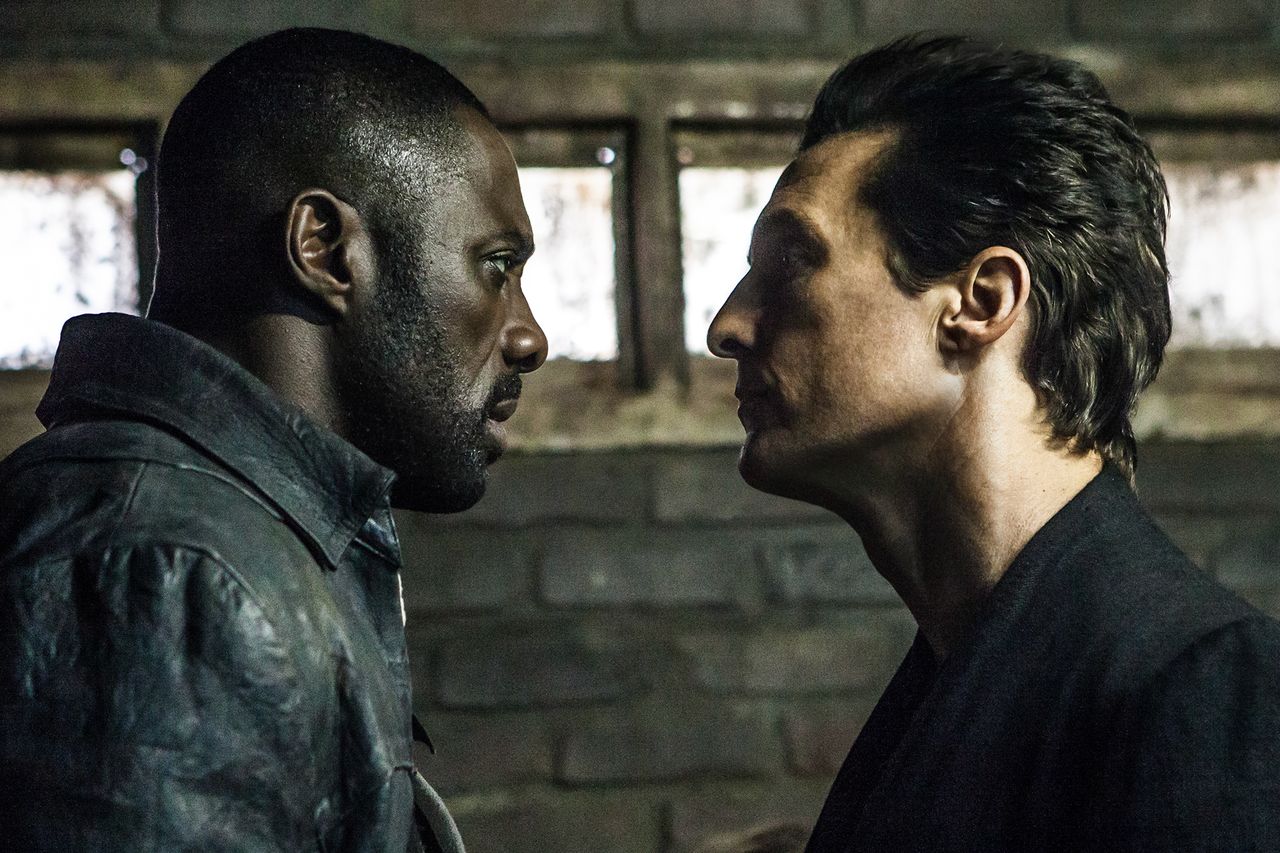
Idris Elba and Matthew McConaughey in ‘The Dark Tower’Credit: Sony
How do you adapt a story as unwieldy as Stephen King’s Dark Tower? Very carefully. King’s series began in 1982 with The Gunslinger and continued through seven more novels, a novella, and a children’s book. It’s a multiverse saga that includes characters from multiple King works, and it gets very meta. (King himself is a character.)
In other words, there’s no easy way to bring The Dark Tower to life, but the answer was surely not Nikolaj Arcel’s film, which pulls from several books, most notably The Gunslinger and The Waste Lands. Even with the benefit of Idris Elba as Roland Deschain and Matthew McConaughey as The Man in Black, The Dark Tower was fighting an uphill battle trying to cram a ton of plot into 95 minutes.
The movie didn’t please anyone. It was too confusing for newcomers and too condensed for fans of the books. A planned sequel based on the second book, The Drawing of the Three, never happened. During the ensuing years, The Dark Tower was nearly revived as a TV show, but Amazon passed on the pilot in 2020.
Ka is a wheel, though, and a Dark Tower adaptation is always looming. Frequent King adapter Mike Flanagan has been at work on a potential TV series since 2022. While the road has been daunting, he told EW in 2026 that the show remains “very much on the table.”
03 of 10
The Golden Compass (2007)
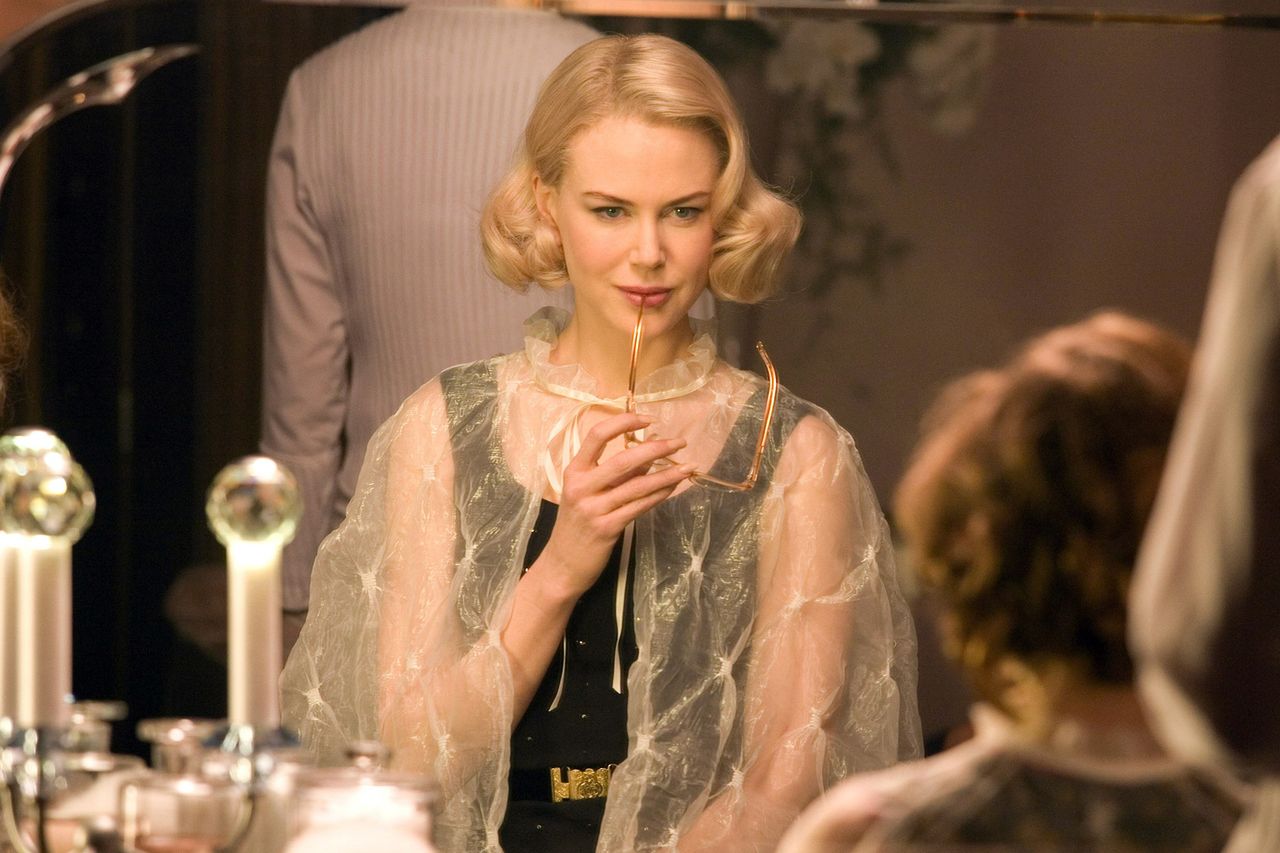
Nicole Kidman in ‘The Golden Compass’Credit: New Line Cinema
Philip Pullman’s His Dark Materials fantasy trilogy has been beloved for decades, so a major movie adaptation made a lot of sense. Chris Weitz’s attempt to bring the first novel, The Golden Compass, to life had a lot going for it. For starters, the star-studded cast included Nicole Kidman as the villainous Mrs. Coulter, Daniel Craig as the mysterious Lord Asriel, Craig’s recent Bond costar Eva Green as the witchy Serafina, and Sam Elliott as Texan aeronaut Lee Scoresby.
But significant red flags arose during production. Weitz left the film in pre-production, citing discomfort with the “technical challenges” of making a fantasy epic. His replacement, Anand Tucker, later left the project because of creative differences with New Line Cinema, at which point Weitz returned.
Behind-the-scenes drama doesn’t always signal a bad result, but in this case, the finished product speaks for itself — and no one much liked what it was saying. The Golden Compass earned negative reviews and disappointed at the domestic box office.
The film’s disappointing performance helped sink New Line’s planned sequels, even with Hossein Amini at work on a screenplay for The Subtle Knife. Thankfully, His Dark Materials eventually returned to the screen in the form of a well-received HBO series that adapted the three books (mostly) faithfully.
04 of 10
John Carter (2012)
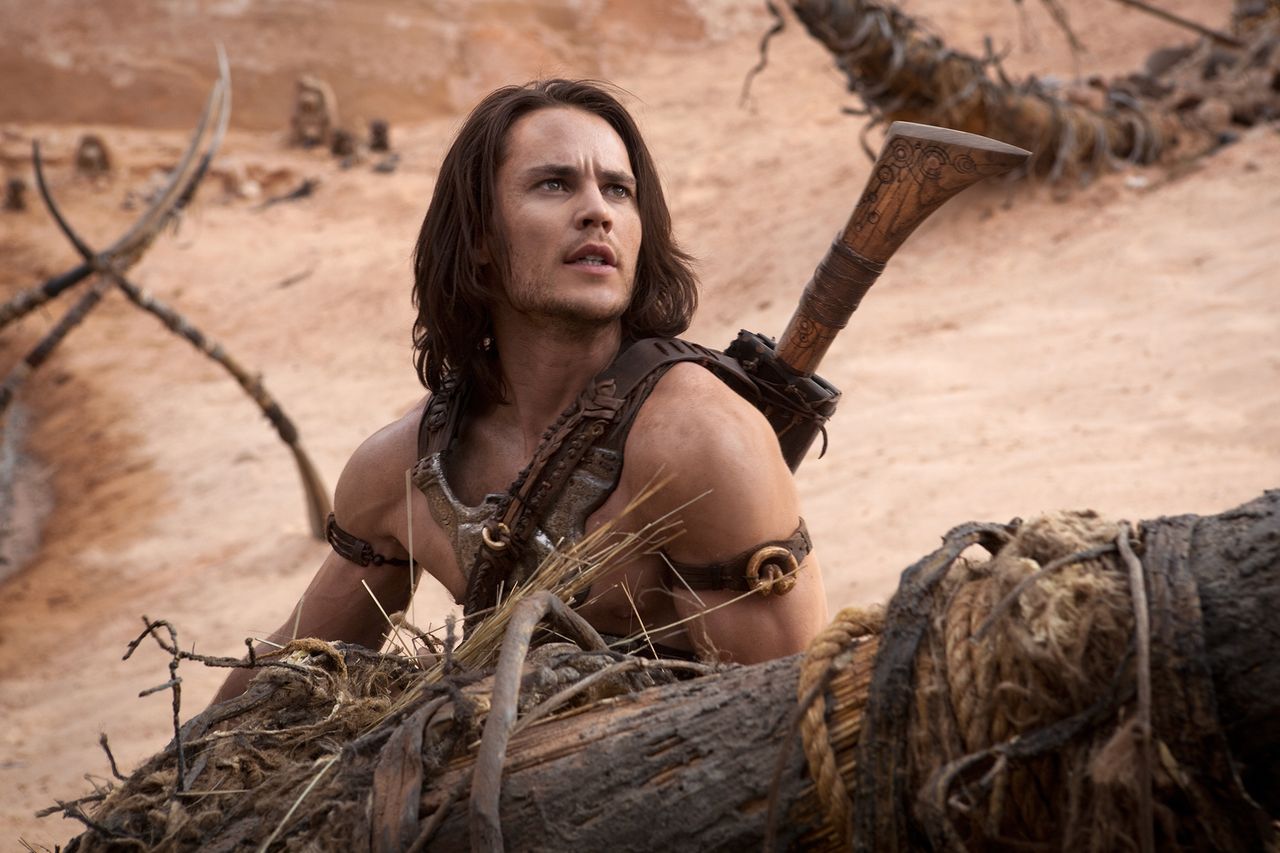
Taylor Kitsch in ‘John Carter’Credit: Disney
Andrew Stanton had already made a name for himself at Pixar as the director of Finding Nemo (2003) and WALL-E (2008) when he took on the live-action John Carter, a big-budget adaptation of the sci-fi classic A Princess of Mars. That pedigree may be why Disney entertained the idea that the film would be the first in a trilogy.
To be fair, that novel is the first installment of the 11-book Barsoom series. Stanton told Disney he only wanted to take a crack at the story if the studio could procure the rights to the first three books. Even before John Carter came out, Stanton was working on a sequel script with acclaimed novelist Michael Chabon.
The $250-million film stars Taylor Kitsch as the eponymous John, a Civil War veteran transported to Mars, where he finds himself in the middle of warring factions. There was ample skepticism from critics even early on. As EW noted at the time, “There won’t be a bigger big screen gamble than Disney’s sci-fi adventure John Carter.”
Alas, the gamble did not pay off. The movie was an instant flop, with Disney projecting a roughly $200 million operating loss tied to the film and earning John Carter prime placement on lists of the biggest box-office bombs in history. Disney quickly ditched plans to make Gods of Mars and Warlord of Mars.
“Could have been cool,” Stanton lamented in a 2014 Twitter post. “Had big plans…”
05 of 10
King Arthur: Legend of the Sword (2017)
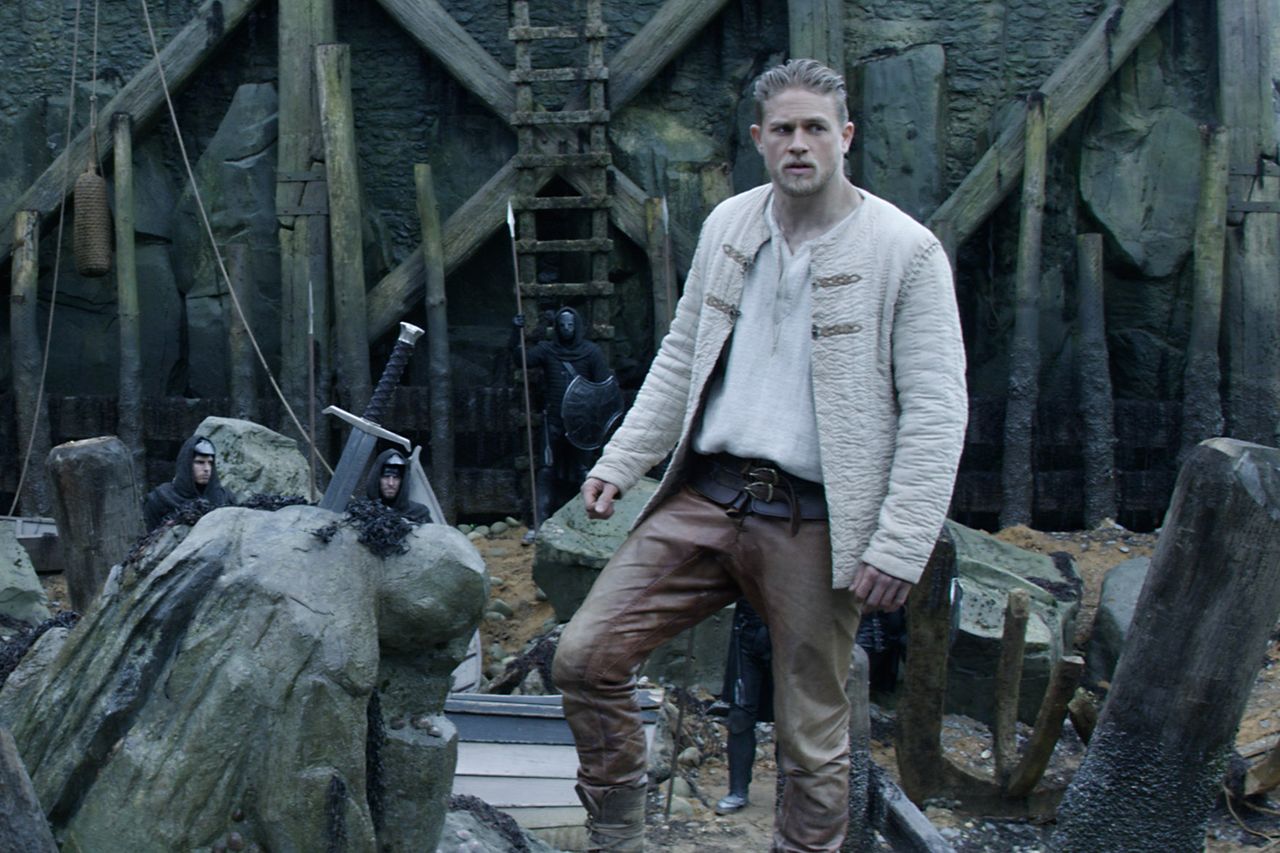
Charlie Hunnam in ‘King Arthur: Legend of the Sword’Credit: Warner Bros.
Almost all of the films on this list have one thing in common: They were very, very expensive to make. That’s not terribly surprising when you consider that franchises tend to be epic in scope. When these series work, they become multibillion-dollar properties that make studios’ hefty investments worthwhile.
Obviously that’s not what happened with King Arthur: Legend of the Sword, Guy Ritchie’s $175 million take on the legendary figure, starring Charlie Hunnam in the title role. A massive box-office failure, the film ended up losing Warner Bros. $150 million. At the time, detractors suggested that the dark, Game of Thrones-y tone wasn’t what audiences were looking for.
There were other problems, too. Hunnam later suggested that miscasting was to blame, even though the offending piece of casting ultimately didn’t make it into the finished film. But the biggest issue may have been that King Arthur was designed to launch a franchise, deliberately withholding characters like Merlin for the sequels. That made the movie we did get feel incomplete.
And incomplete it will remain. Despite Hunnam’s desire for another crack at the character, this particular Arthurian cinematic universe won’t see the light of day.
Advertisement
06 of 10
The Last Airbender (2010)
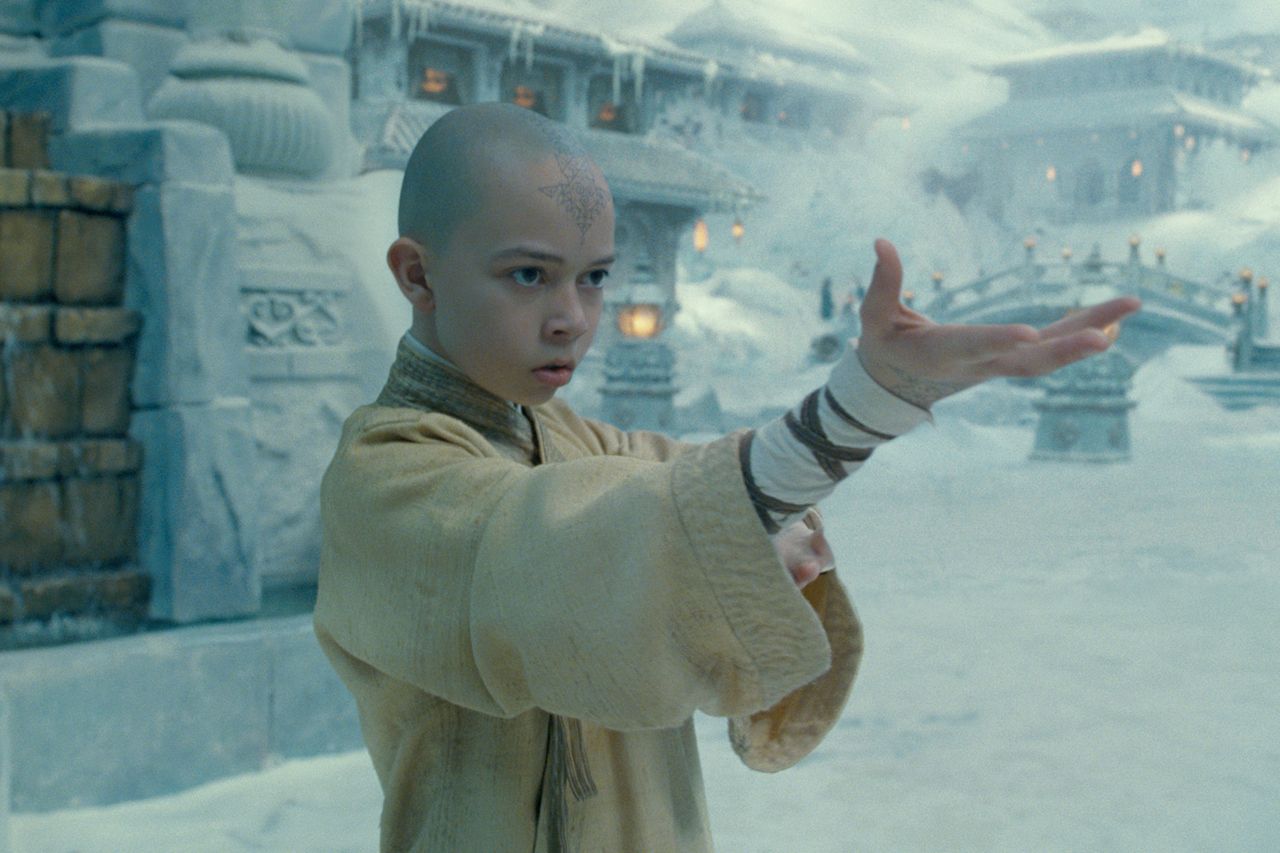
Noah Ringer in ‘The Last Airbender’Credit: Everett
M. Night Shyamalan is a divisive filmmaker, but a live-action adaptation of the beloved Nickelodeon series Avatar: The Last Airbender felt like an opportunity for a win-win.
Instead, his take faced problems from the start. First, the film shortened its title to avoid confusion with James Cameron’s Avatar. Then there was the casting controversy, with Shyamalan accused of whitewashing the source material by casting non-Asian actors Noah Ringer, Jackson Rathbone, and Nicola Peltz.
It was people seeing the movie, however, that truly doomed its franchise potential. Critics savaged The Last Airbender, which eked out a paltry 5% on Rotten Tomatoes. Detractors pointed to its heavily compressed storytelling and open ending, the latter of which would have been addressed in a follow-up film. But while Shyamalan continued to talk about making a sequel through 2015, nothing ever materialized.
Thankfully for Avatar: The Last Airbender fans, the franchise has continued beyond Shyamalan’s maligned adaptation. Netflix’s live-action series premiered in 2024, and an animated sequel film Avatar Aang: The Last Airbender arrived in 2026. The film was originally announced as the first of three animated movies from Avatar Studios, although the future shape of that film slate remains unclear.
07 of 10
Mortal Engines (2018)
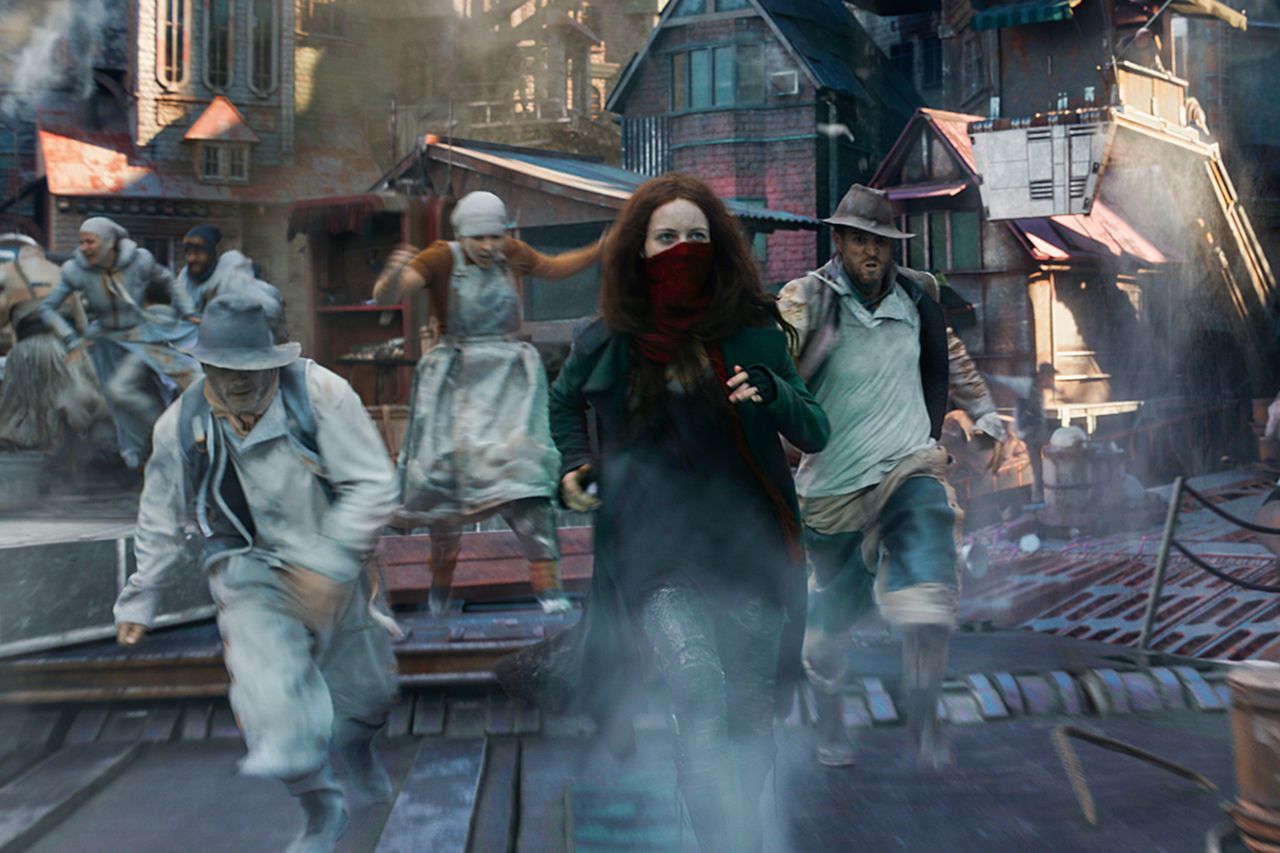
Hera Hilmar in ‘Mortal Engines’Credit: Universal
Many films on this list had sequels announced, forcing the studio to shamefully walk back its plans. In the case of Mortal Engines, no follow-ups were ever set, which made it easier to quietly abandon the property when the first film fell apart.
Had it performed well, though, a franchise was all but assured. Mortal Engines, set in a post-apocalyptic world in which entire cities are mobile and hunt each other, is based on the first novel in a four-book YA series. The film was written and produced by the team behind The Lord of the Rings, who surely know a thing or two about launching a franchise.
Mortal Engines’ ending certainly left room for a sequel, though screenwriter Fran Walsh noted that the movie was a risk, given its first-time director and lack of major stars. And that’s to say nothing of the head-scratching concept.
Perhaps it’s no surprise, then, that Mortal Engines baffled critics and audiences. It was a catastrophic box-office bomb, projected to lose more than $100 million and effectively ending hopes of continuing the story.
For what it’s worth, star Robert Sheehan also appeared in the similarly titled The Mortal Instruments: City of Bones (2013), another first installment in a planned film franchise that never happened.
08 of 10
The Mummy (2017)
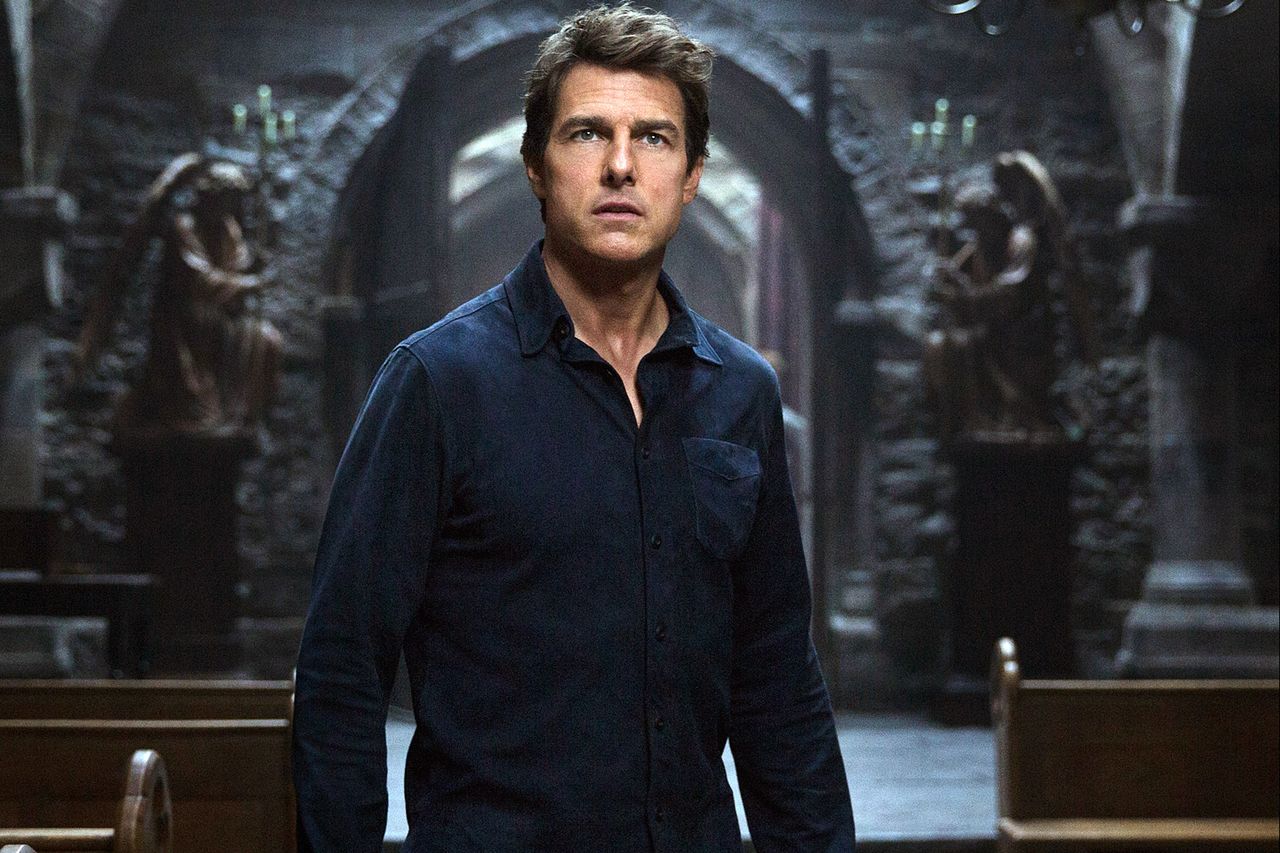
Tom Cruise in ‘The Mummy’Credit: Universal
Alex Kurtzman’s action-centric take on The Mummy wasn’t just a reboot of the Universal franchise — it was intended to jump-start a brand-new cinematic universe heavily inspired by the MCU.
The Dark Universe would have narratively branched out from The Mummy, which stars Tom Cruise as a U.S. Army sergeant who discovers the tomb of Ahmanet (Sofia Boutella). The film also introduces Russell Crowe as Dr. Henry Jekyll, who would have served as the Nick Fury of the series, uniting a number of Universal Monsters.
There were plans for a Bride of Frankenstein reboot from Bill Condon, with the studio also announcing Javier Bardem as Frankenstein’s Monster and Johnny Depp as the Invisible Man. Dwayne Johnson was rumored to be the top choice to play the Wolfman.
Of course, none of that came to pass. Following the critical drubbing and disappointing box-office performance of The Mummy, Kurtzman and producer Chris Morgan abandoned the Dark Universe in 2017. While Universal did eventually release standalone new takes on The Invisible Man (2020) and Wolf Man (2025), the Dark Universe connecting them was dead.
Or was it? Despite the inability to launch a connected film series, Universal repurposed the brand for a Dark Universe-themed land at the Universal Orlando Resort in 2025.
09 of 10
Power Rangers (2017)
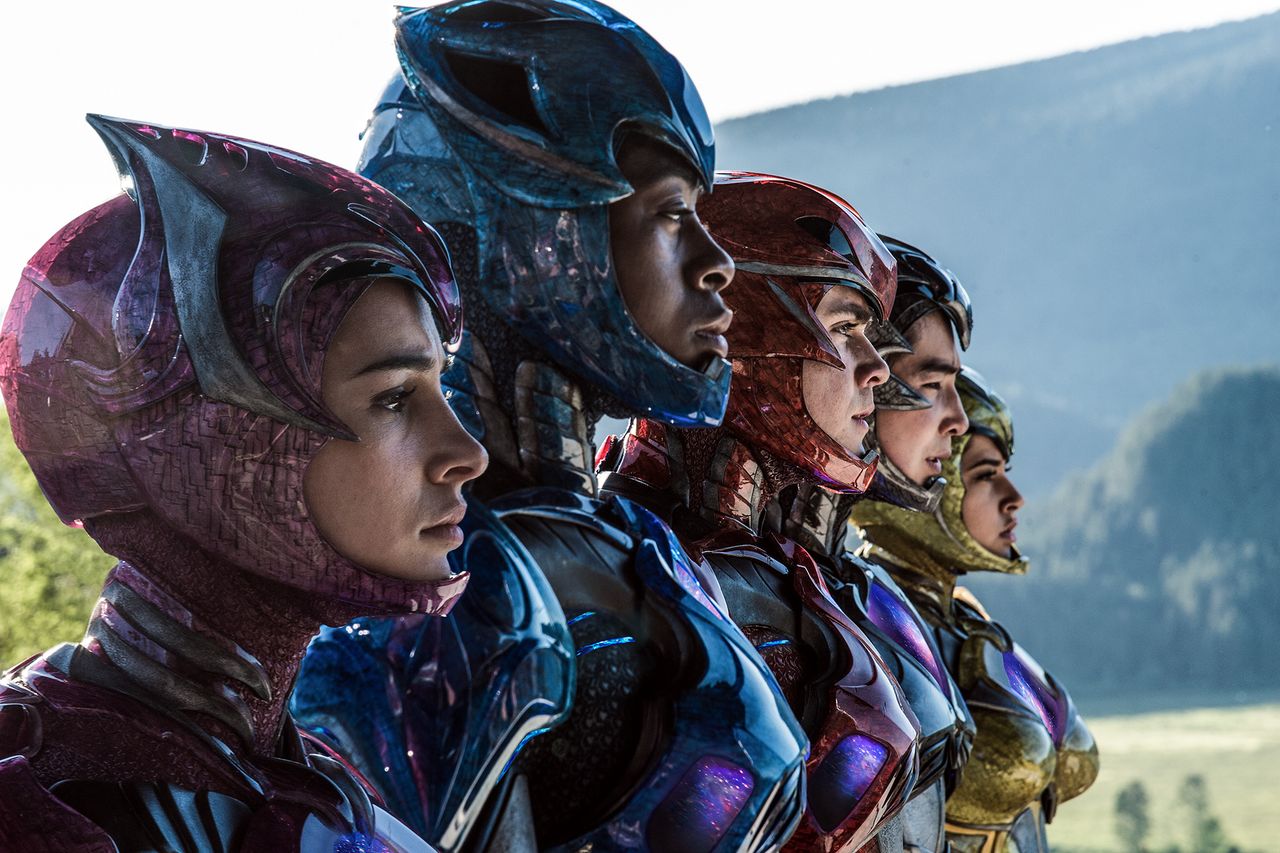
‘Power Rangers’Credit: Lionsgate
For elder millennials who grew up with the Power Rangers — generally of the Mighty Morphin variety — those colorful warriors have enduring appeal. Rebooting the property for a new generation, however, proved to be easier said than done.
The 2017 reboot assembled a cast of up-and-coming talent, including Dacre Montgomery and Naomi Scott, while bringing in heavier hitters like Bryan Cranston and Elizabeth Banks. The goal was to give a franchise about teenagers fighting robotic dinosaurs a slightly more grounded feel, which was always going to be a challenging prospect.
Get your daily dose of entertainment news, celebrity updates, and what to watch with our EW Dispatch newsletter.
Ever optimistic, Lionsgate said at one point that it envisioned making up to seven Power Rangers movies. Ultimately, the reception to this reboot didn’t warrant any additional investment. Power Rangers grossed just over $142 million worldwide, not exactly a rousing success.
In addition to Lionsgate abandoning plans for sequels, Hasbro acquired the Power Rangers franchise from Saban Properties in 2018. And while the toy company has attempted to reboot the property, those plans have repeatedly fallen short, most recently with Disney+ pulling the plug on a live-action series.
10 of 10
Vampire Academy (2014)
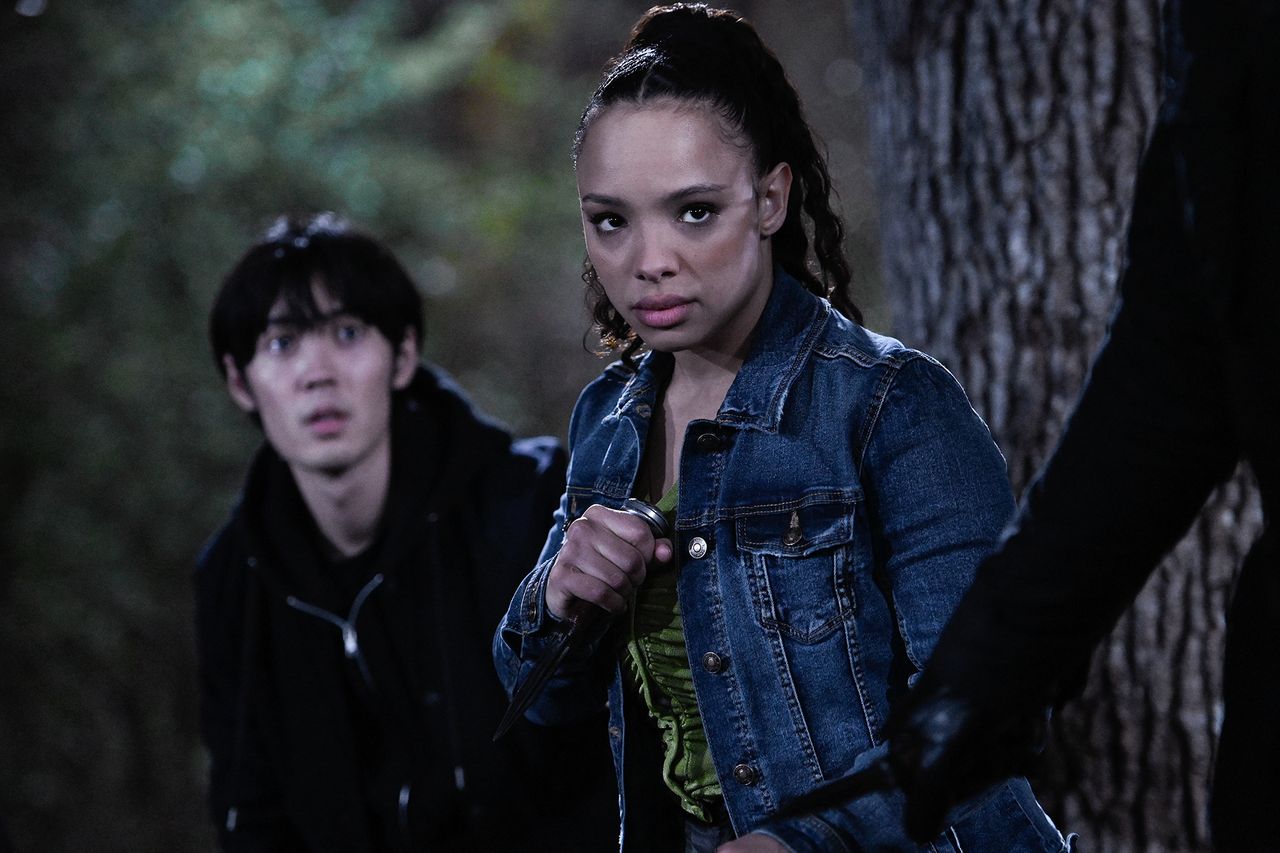
‘Vampire Academy’Credit: Peacock
If you don’t remember Vampire Academy, you’re not alone. The 2010s were awash in attempts to force another Twilight-esque franchise into being, so you’d be forgiven for missing this one. Brothers Mark Waters (Mean Girls director) and Daniel Waters (Heathers screenwriter) joined forces for this adaptation of yet another YA series.
Vampire Academy stars Zoey Deutch as 17-year-old Dhampir Rose Hathaway, and Danila Kozlovsky as her Russian love interest, Dhampir Dimitri Belikov. Aside from the obvious Twilight connection, the film’s boarding-school setting gave it Harry Potter vibes. Well, that was the goal.
Variety’s review called out the shameless attempt, noting that Vampire Academy “plays like the crassest possible mashup of Harry Potter and Twilight elements, but seems designed to make those franchises look like eternal monuments of world culture by comparison.” The film managed a paltry $7.8 million at the U.S. box office, driving a stake into sequel plans.
That didn’t stop Preger Entertainment, which had the film rights to the book series, from trying. The company launched a crowdfunding campaign to get Vampire Academy 2 made, but the Indiegogo effort failed to reach its $1.5 million goal.
And though Vampire Academy did return as a 2022 Peacock series from Vampire Diaries showrunner Julie Plec, it was canceled after a single season.
on Entertainment Weekly
Source: “AOL Entertainment”
