


This Is What U.S. Customs Officers Really Look for at the Airport—and These Common Mistakes Could Lead to Fines
This Is What U.S. Customs Officers Really Look for at the Airport—and These Common Mistakes Could Lead to Fines

Joey SkladanyFri, August 7, 2026 at 7:15 PM UTC
0
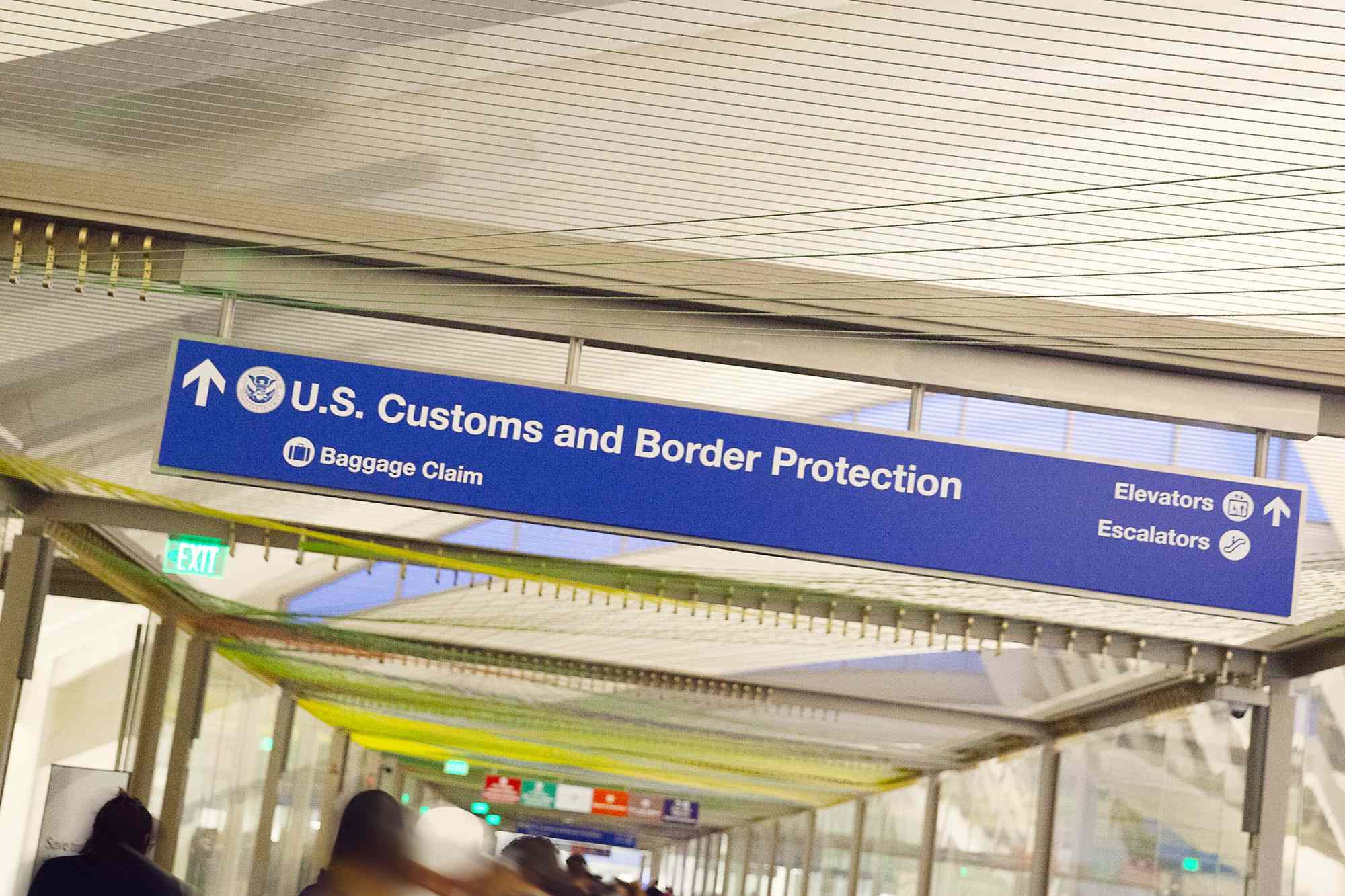
A U.S. Customs and Border Protection sign at Los Angeles International Airport.Credit: iStockphoto/Getty ImagesKey Points -
U.S. Customs officers screen arriving travelers for prohibited items, agricultural risks, undeclared cash, counterfeit goods, and other violations of federal law.
Officers also verify traveler identity, immigration status, and potential security concerns while monitoring passenger behavior during inspections.
Declaring restricted or regulated items can help travelers avoid delays, inspections, and fines that can range from hundreds to hundreds of thousands of dollars.
After a long international flight, the last thing anyone wants is to be stopped and questioned by a customs officer. Programs such as Global Entry and Mobile Passport Control can expedite the overall process, but even participating passengers aren’t exempt from random stops in the interest of protecting national security.
So, it’s helpful to consider what U.S. Customs and Border Protection officers, who are trained to handle both immigration and customs functions, are looking for upon arrival. Knowing a little bit beforehand can help you avoid any delays or additional screenings.
Here’s what you about what customs officers look for at the airport.
What CBP Looks for in Luggage
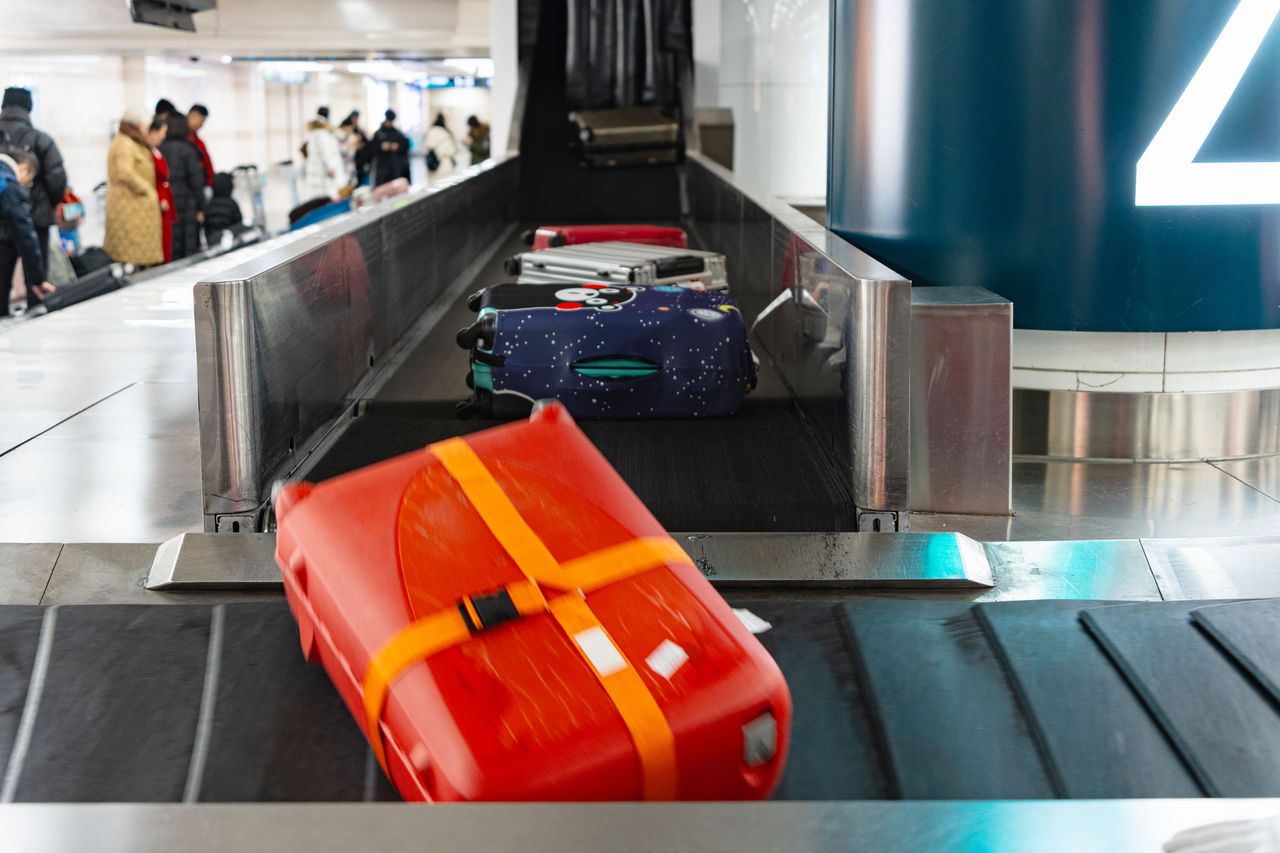
Checked luggage on an airport baggage claim conveyor belt.Credit: Getty Images
Naturally, CBP officers are on the lookout for things such as narcotics and drug paraphernalia—but their scope goes way beyond that.
“When inspecting luggage, officers look for prohibited items including agricultural risks, undeclared currency, and counterfeit goods to ensure compliance with U.S. law,” confirmed a CBP spokesperson to Travel + Leisure via email.
Some things on the CBP website may not be obviously off-limits to travelers. For example, while candy, baked goods, butter, and certain cheeses are allowed in the U.S., anything containing a meat product such as bouillon and soup mixes is prohibited. And while not all fruits and vegetables are banned from import into the U.S., you are required to declare any agricultural item (including live plants) since they may contain pests and disease that could harm domestic farms. Similarly, traveling with dried rice, since it may harbor invasive bugs, is also highly discouraged. Lastly, keep in mind that absinthe containing thujone is still banned in the U.S. and is illegal to import.
Advertisement
Although most travelers likely won’t have to deal with this issue, if you just returned from an Indiana Jones-esque vacation and have picked up an antique or a fossil or two (i.e., anything with cultural value), you will have to declare the items and also travel with the appropriate export documents. The situation gets more complicated if you’re returning to the U.S. with a hunting trophy. There are only 14 ports of entry set up to handle importing game, and if you wish to re-enter via another port, you must get permission from the U.S. Fish and Wildlife Service.
What CBP Looks for in Travelers
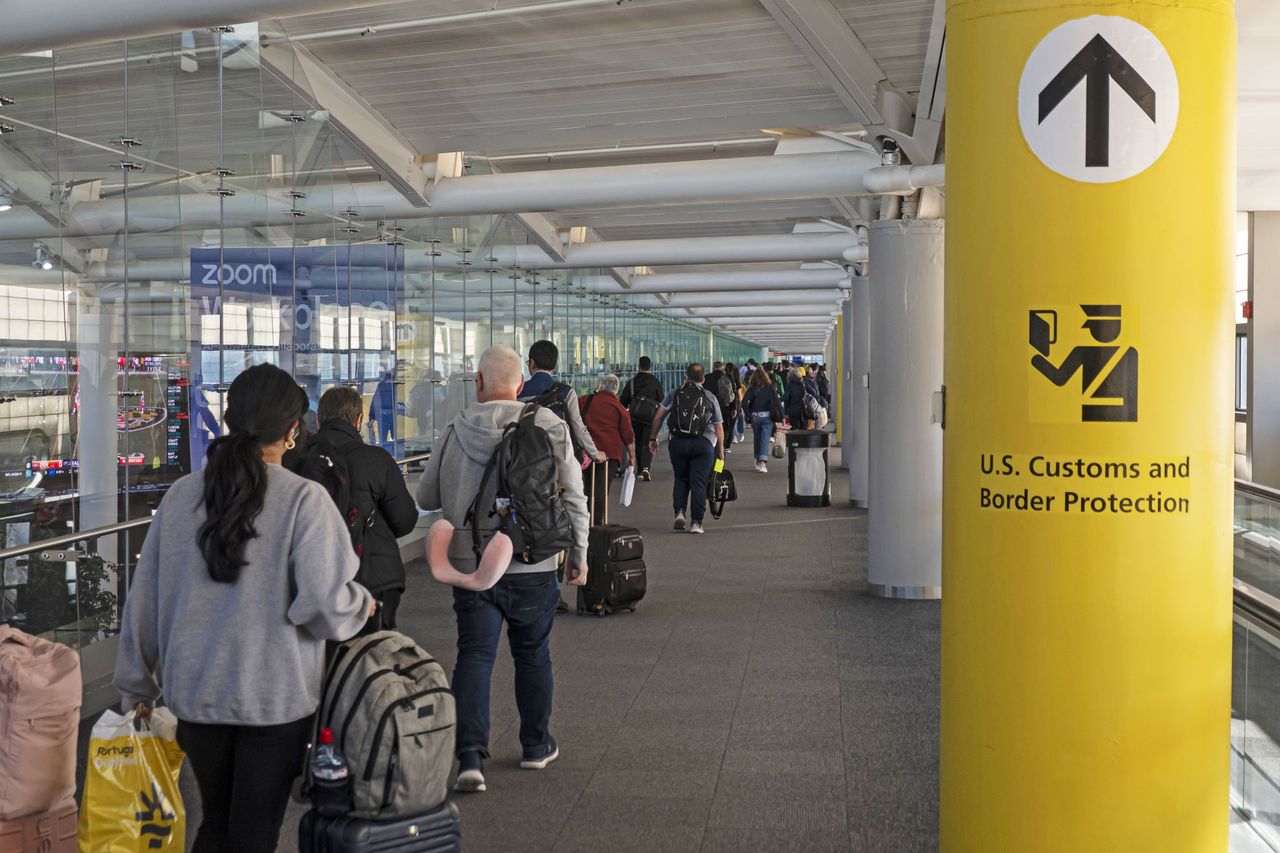
Arriving passengers approach a U.S. CBP area in Newark Liberty International Airport (EWR).Credit: Nicolas Economou/NurPhoto via Getty Images
When it comes to passport control, the process is fairly straightforward—this part of returning to the U.S. merely serves to confirm your identity, and if you are an international visitor, to check that your visa is in order. And if you’re enrolled in Global Entry, this is where the program can help you skip long lines and access expedited entry.
“When processing passports and visas, officers verify the traveler’s identity, confirm their admissibility, and screen against law enforcement databases to prevent security threats and illegal immigration,” the spokesperson said.
While there is a general prohibition regarding racial profiling, officers have a lawful duty to intervene if they encounter “suspicious activity,” though the term is vague and inherently subjective. Additionally, passengers are expected to conduct themselves in an orderly fashion while in line and interacting with an agent. This includes no photography or cell phone use, as well as the removal of facial coverings and hats. Inappropriate behavior can lead to additional inspections or even arrest.
When in Doubt, Disclose
While certain items absolutely should not be brought into the U.S., if you find yourself near a CBP checkpoint with a prohibited or restricted item, it’s best to simply declare it. CBP fines can range quite a bit—failure to declare an agricultural item (such as a fruit or vegetable) can result in a $300 fine for first-time offenders and $500 for subsequent violations. But the fees can get much more expensive than that. For example, if you bring in more than $10,000 of undeclared cash into the U.S., you can be fined up to $500,000.
Ultimately, the risk of not declaring prohibited or restricted items is not worth the “reward.” Keep CBP’s regulations in mind next time you’re packing your bags abroad for a seamless re-entry experience stateside.
on Travel & Leisure
Source: “AOL Breaking”
